Aller au contenu

Kasama Calamansi White Chocolate

Origine du cacao : Peru
Pays producteur : Canada
Poids : 55 g

This limited white chocolate leans hard into Philippine calamansi, and it works beautifully. The citrus comes through zesty, tart, and vibrant - very similar to lime - with a freshness that wakes up the palate immediately. Against the sweet milk and rich cocoa butter base, the acidity acts as a perfect foil, keeping the bar lively rather than overly sweet. As it melts, the texture takes on an almost custard-like quality, pulpy and full, with the fruit flavour lingering refreshingly. Sunny, balanced, and genuinely delicious.
Prix ​​habituel $14.00

Kasama Calamansi White Chocolate

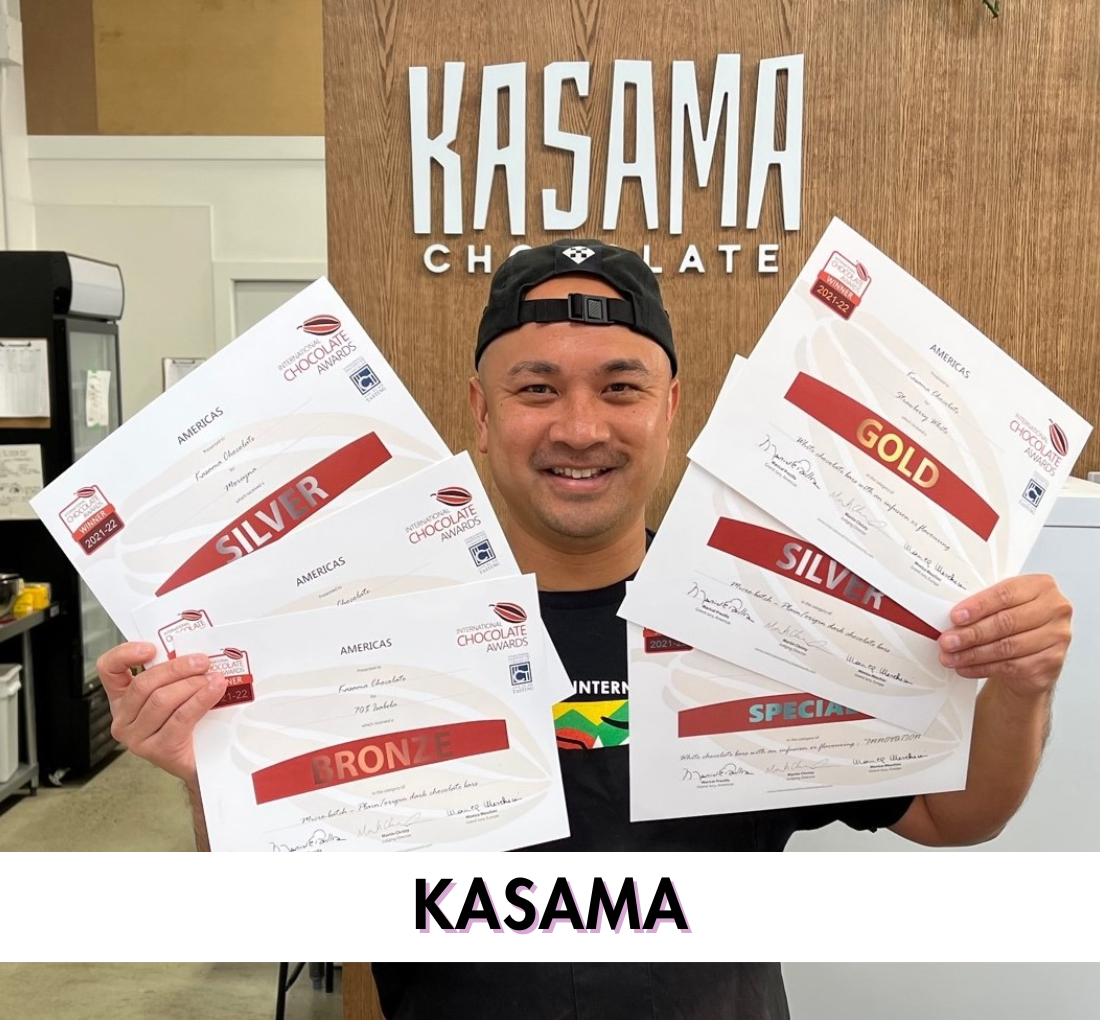
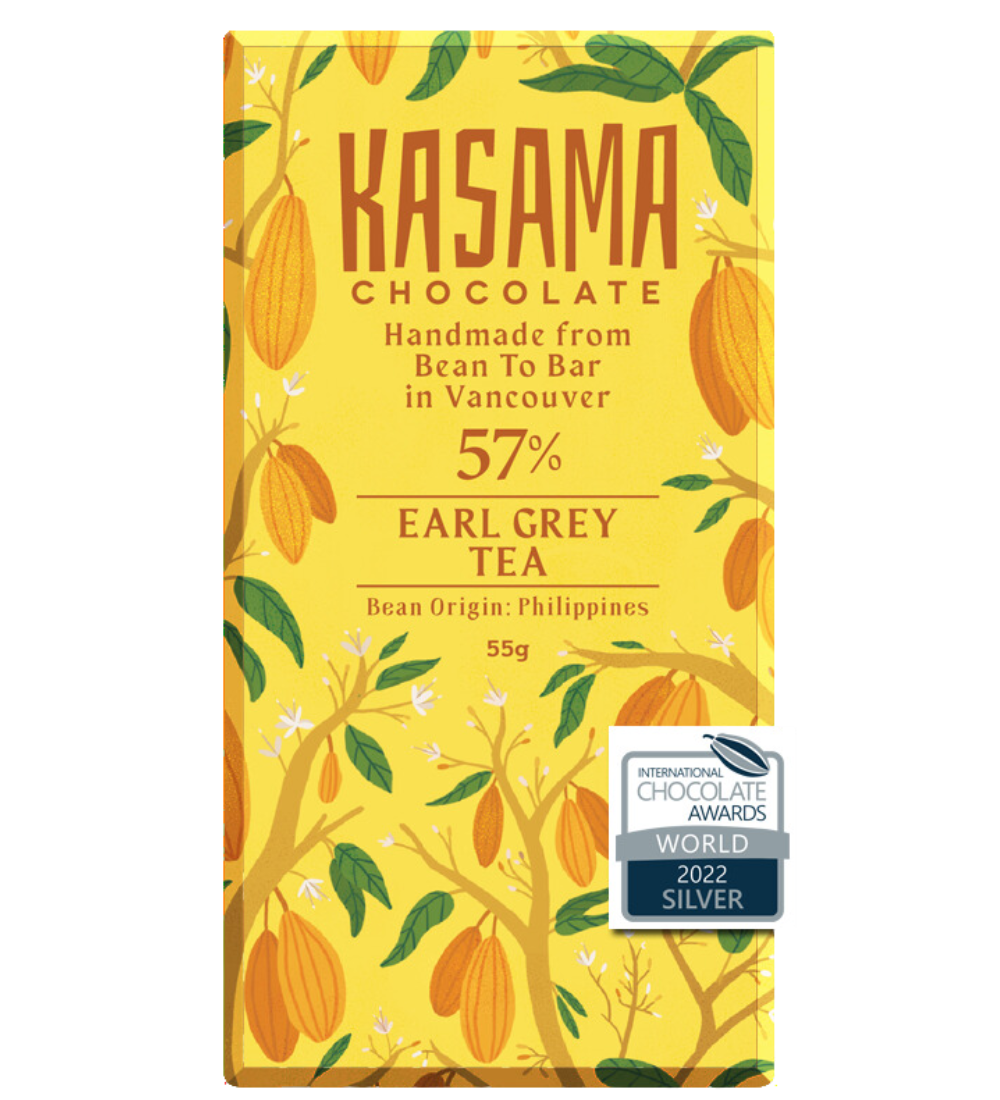
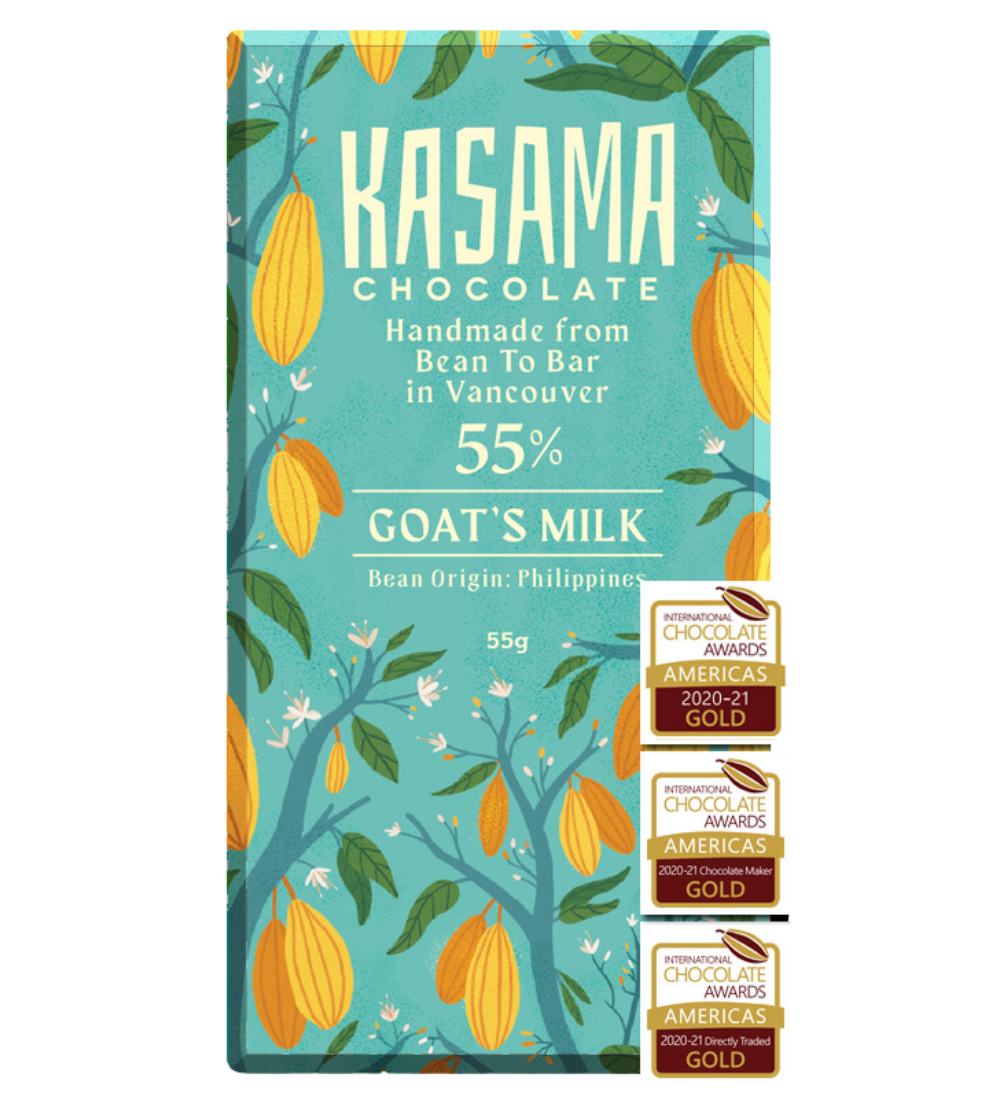
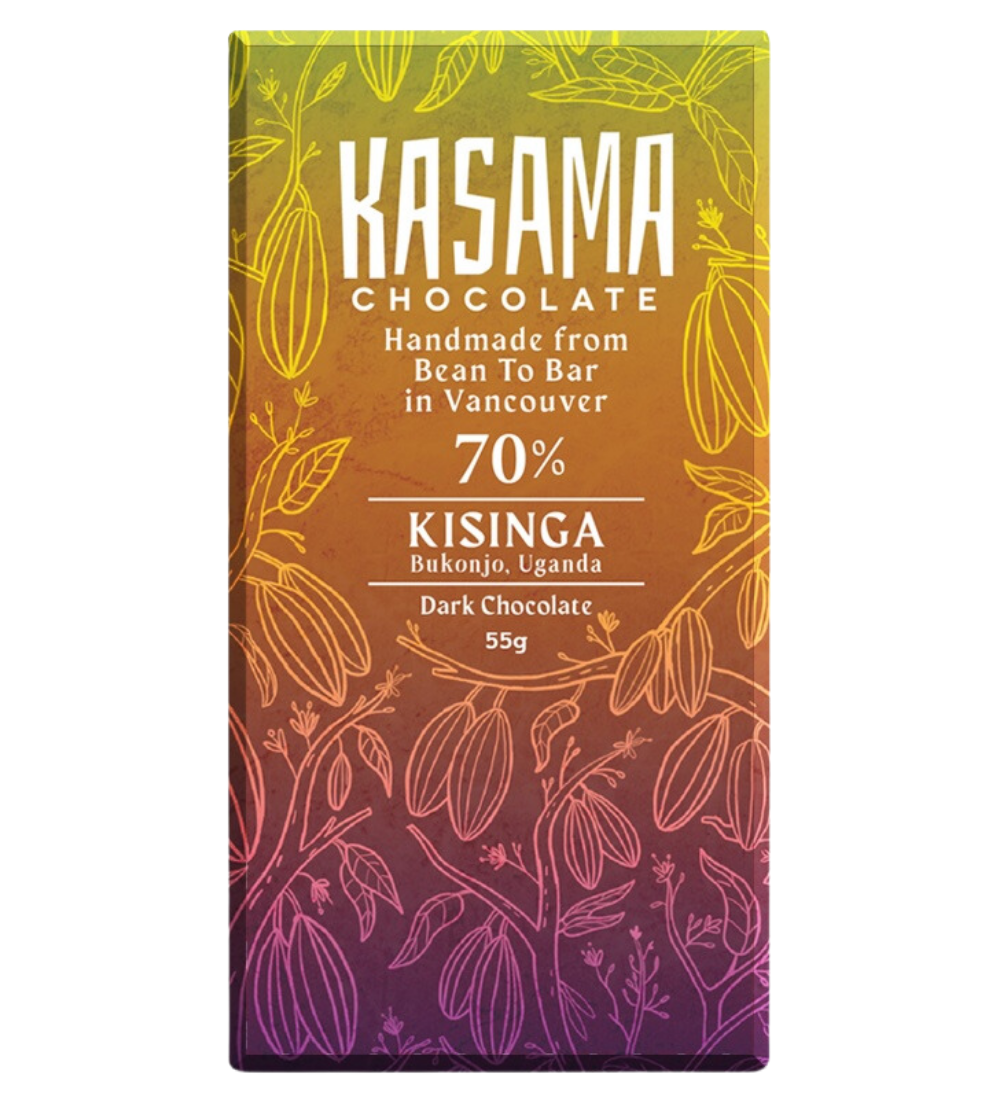
Kasama Chocolate is based out of Vancouver’s iconic Granville Island, a renowned hub for artists, crafters, and, above all, a really great food market. Founded in 2015 by Vincent, Stefan, Oliver, and Dominik — four long-time friends who chose the Tagalog word ‘Kasama,’ meaning friendship, camaraderie, and collaboration, to embody their ethos. The company’s connection to the Philippines goes beyond its name. They partnered with the University of British Columbia’s Centre for Sustainable Food Systems, local farmers, and small community stakeholders to initiate a sustainable cacao planting and research project in Cagayan Province, near the Sierra Madre mountains in Northern Luzon. This initiative underscores their commitment to supporting local communities and advancing sustainable agricultural practices. In addition to their Filipino project, Kasama sources cocoa from at least eight other countries, always prioritizing direct relationships with small farmers to ensure fair trade and sustainability. Their bars have plenty of awards to support this curator’s personal opinion that they are one of North America’s premier bean-to-bar chocolate producers.

Achetez plus Kasama

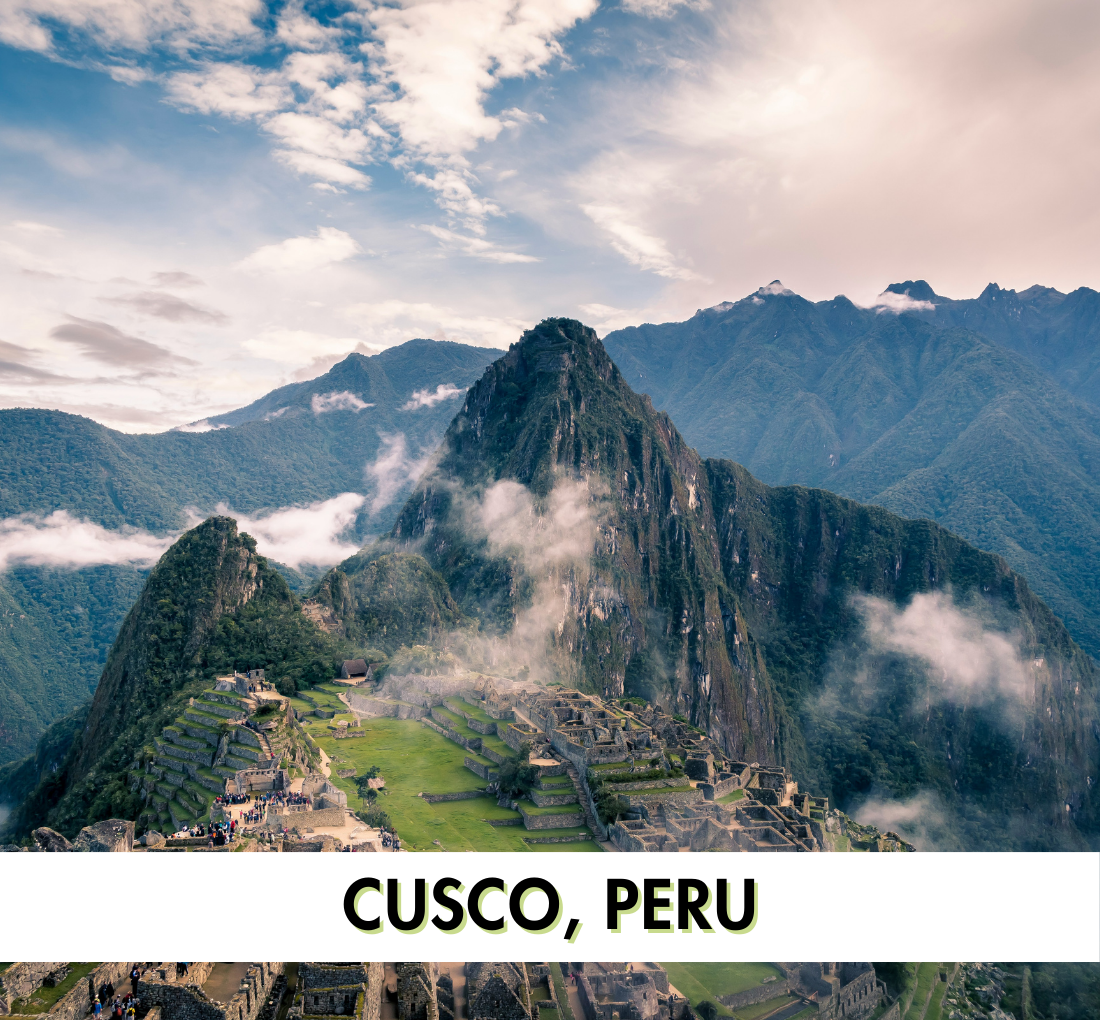
For millennia, wild heritage cacao beans have thrived in the high elevations of the ancient Inca empire. Cusco, a city and department in southeastern Peru, was once the empire's capital and remains the gateway to the famed Machu Picchu. While tourism drives the economy, gold and natural gas extraction, along with agriculture, are also significant. Farmers focus heavily on crops like native corn, quinoa, tea, and coffee, but in pre-colonial times, Cusco was the leader in cacao production. The Urubamba Valley, a central hub for modern cocoa cultivation, served as a vital trade route between the Andes and the Amazon jungle. It was also where the last Incan emperor, Manco Inca, sought refuge from Spanish conquistadors.

Achetez plus Peru
Drawer Title
produits similaires